 Save
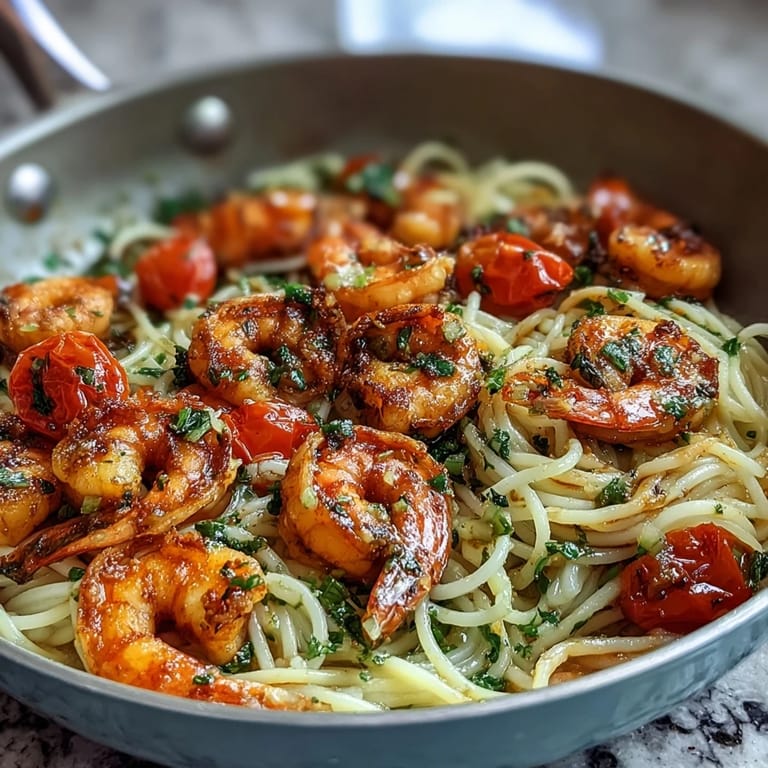
Save There's something magical about the moment when a single pan becomes dinner, and this garlic shrimp pasta was born from exactly that kind of evening—when I had friends coming over in twenty minutes and the kitchen felt chaotic. I grabbed what looked fresh in the fridge, remembered a meal I'd had overlooking the Mediterranean, and threw it all together in one deep skillet with nothing but hope and good olive oil. The aroma that filled the apartment was so compelling that my guests arrived to find me already lost in the rhythm of stirring, watching the shrimp turn pink and the pasta soften in that golden, lemony broth.
I'll never forget the first time I made this for my neighbor who'd just moved in—she came over skeptical about seafood, and I watched her face change entirely after that first bite, the lemon hitting her palate first, then the tender shrimp, then the way the pasta had absorbed all those beautiful flavors. She asked for the recipe before she'd even finished eating, and now it's become our standing Tuesday night tradition when we both need something that feels both nourishing and uncomplicated.
Ingredients
- Large shrimp, peeled and deveined (1 lb): Buy them fresh if you can find them, but honestly frozen ones thawed properly work just as beautifully—I learned this the hard way after an expensive shopping trip that wasn't necessary.
- Angel hair pasta (12 oz): The thin strands cook quickly and cradle the sauce perfectly, but if all you have is regular spaghetti, it'll still be delicious, just slightly different texture.
- Cherry tomatoes, halved (1 cup): They burst slightly as they cook and release their sweetness into the broth, creating little flavor bombs throughout the dish.
- Snap peas, trimmed (1 cup): These stay snappy and bright even after cooking, adding a textural contrast that keeps each bite interesting.
- Baby spinach (1 cup): Fold this in at the very end so it wilts from residual heat and stays vibrant—overcooked spinach loses all its charm.
- Zucchini, sliced (1 small): Choose smaller zucchini that haven't grown too seedy; they'll be more tender and have better flavor.
- Fresh parsley and green onions: These are your finishing touches, the ones that make people say this tastes like a restaurant made it.
- Garlic, minced (4 cloves): Mince it yourself if you can—jarred garlic tastes like disappointment in this particular dish.
- Extra virgin olive oil (1/4 cup): Don't skimp here; quality oil is what makes this taste Mediterranean rather than just ordinary.
- Lemon zest and juice: The zest goes in early to infuse the broth, while fresh juice is your secret weapon for brightness.
- Dry white wine or vegetable broth (1/2 cup): Wine adds complexity and depth, but broth works perfectly if that's what you have or prefer.
- Chicken or vegetable broth (3 cups): Low-sodium lets you taste everything else instead of just salt.
- Red pepper flakes (1/2 tsp, optional): A tiny pinch adds warmth without overpowering; adjust to your heat preference.
- Parmesan cheese and salt and pepper: Finish with these according to your taste, tasting as you go.
Tired of Takeout? 🥡
Get 10 meals you can make faster than delivery arrives. Seriously.
One email. No spam. Unsubscribe anytime.
Instructions
- Heat the oil and build your base:
- In your large deep skillet, warm that beautiful olive oil over medium heat until it shimmers, then add your minced garlic and red pepper flakes. You'll know it's perfect when the kitchen suddenly smells like an Italian villa and the garlic just barely turns golden—this usually takes about a minute, and you don't want it browning.
- Soften the vegetables:
- Add your tomatoes, snap peas, and zucchini to the fragrant oil and let them cook for a couple minutes, stirring now and then. They should soften just slightly but keep their character; we're waking them up, not destroying them.
- Deglaze and create the liquid base:
- Pour in that white wine and let it sizzle for about two minutes while you scrape up any flavorful bits stuck to the bottom. Add your broth, lemon zest, and juice, then bring everything to a gentle boil.
- Cook the pasta in the sauce:
- Break your angel hair in half, add it to the boiling broth, and stir it down so it's mostly submerged. Cover the skillet and let it cook for three to four minutes, stirring occasionally so nothing sticks—the pasta will continue cooking in the residual heat after you remove it from the flame.
- Add the shrimp and finish cooking:
- Once your pasta is nearly tender, spread the shrimp across the surface, cover again, and let them cook for two to three minutes until they turn pink and opaque. This is the moment you'll know everything is about to come together.
- Finish with the fresh green ingredients:
- Remove from heat and fold in your spinach, green onions, and parsley while the pan is still steaming—their brightness is what transforms this from good to truly memorable. Taste and adjust your salt and pepper now.
- Plate and serve:
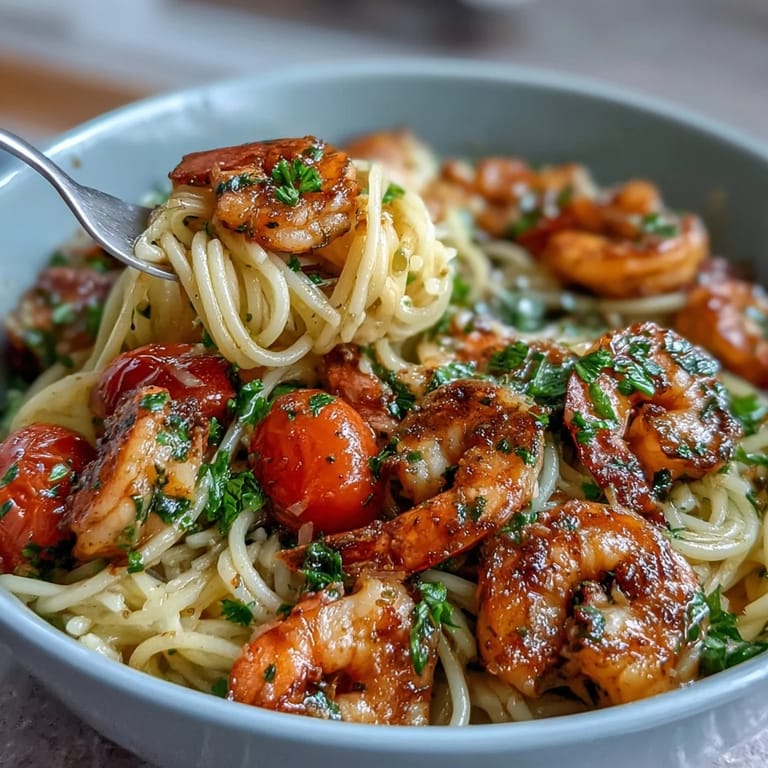
- Bring the whole skillet to the table if you want to feel impressive, or portion it into bowls and top with Parmesan and lemon wedges. Eat it while it's hot and the aromatics are still rising up to your face.
 Save
Save What strikes me most about this dish is how it somehow feels both light and deeply satisfying, the kind of meal that leaves you energized rather than sluggish. My mother tasted it once and said it reminded her of why she loved cooking in the first place—not because of technique or ingredients, but because something this simple could bring people together and make them genuinely happy.
Why Spring Vegetables Matter Here
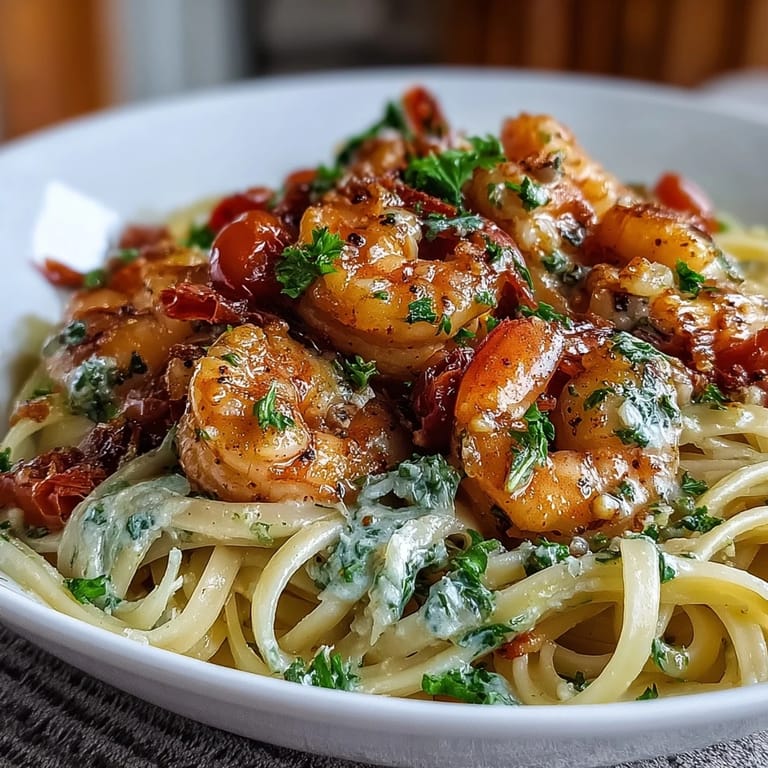
The beauty of this dish is that it celebrates whatever looks best at your market right now—I've made it with asparagus instead of snap peas, added cherry tomatoes one week and sun-dried tomatoes another, swapped in thin slices of summer squash when zucchini looked tired. The foundation is so solid that flexibility is actually an asset rather than a weakness. What matters is that you're choosing vegetables that are currently in season in your area, which means they'll be fresher, more flavorful, and honestly less expensive than shipping in things that are out of season.
The Power of Cooking in One Vessel
There's a practical magic to one-pot cooking that goes beyond just convenience—as the pasta cooks, it absorbs all those flavors from the broth, creating something more cohesive and delicious than if you'd cooked everything separately. The vegetables release their essences into the liquid, the garlic infuses everything, and by the time you fold in the fresh herbs at the end, every single element is speaking the same flavor language. This is why restaurants sometimes do this technique, and once you understand why, you start seeing it everywhere.
Making It Work for Different Preferences
This recipe is beautifully adaptable to whatever dietary needs your table might have, which is part of why it's become my go-to when cooking for a mixed group. Skip the Parmesan for dairy-free guests, use gluten-free pasta for those who need it, and the dish loses nothing in translation because the real star is the shrimp and the sauce, not any single ingredient you might remove.
- If you can't find or don't enjoy shrimp, white fish like halibut or cod works equally well and cooks in nearly the same time.
- Red pepper flakes are listed as optional because some people genuinely don't like heat, and this dish shines without them if that's your crowd.
- A splash of good white wine is worth it, but vegetable broth is a perfect substitute if you're avoiding alcohol—no one will know the difference.
 Save
Save This is the kind of meal that feels like you've done something special without requiring you to be a special cook, which might be the highest compliment a recipe can earn. Make it this week, and I promise it'll become one of those dishes you return to again and again.
Recipe FAQs
- → Can I substitute the angel hair pasta with another type?
Yes, you can use other thin pastas like capellini or even thin spaghetti. For gluten-free options, choose gluten-free angel hair or similar pasta.
- → How can I make this dish dairy-free?
Simply omit the Parmesan garnish or use a dairy-free alternative to keep it dairy-free while maintaining flavor.
- → What wine pairs well with this shrimp and pasta combination?
A chilled Sauvignon Blanc or Pinot Grigio complements the dish’s bright citrus and garlic notes beautifully.
- → Is it possible to add more vegetables to this dish?
Absolutely, feel free to swap snap peas for asparagus or add other spring vegetables to enhance freshness and texture.
- → How should I adjust cooking for frozen shrimp?
Thaw shrimp completely before adding. Cooking time remains similar, but ensure shrimp turn opaque and pink for safety and best texture.
- → Can I prepare this dish ahead and reheat it?
While best enjoyed fresh, you can refrigerate leftovers and gently reheat, adding a splash of broth to keep pasta moist.