 Save
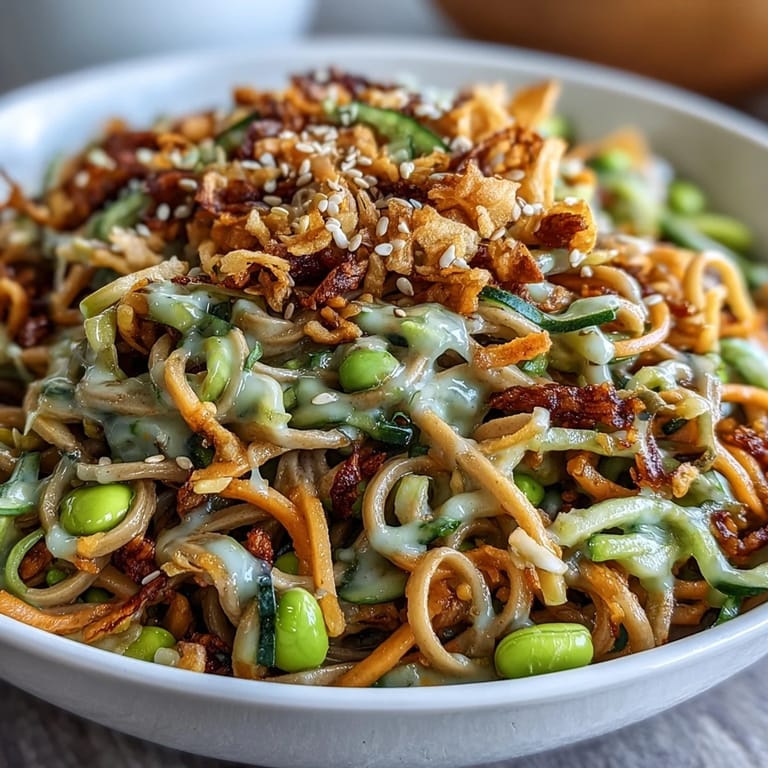
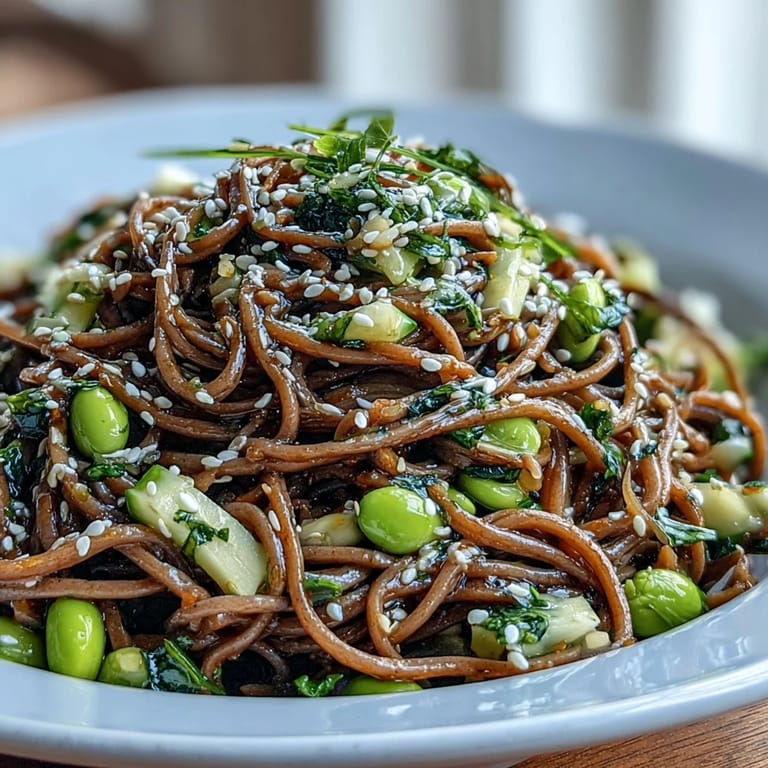
Save My neighbor brought over a bento box one summer afternoon, and I watched her arrange these glossy buckwheat noodles with such ease—no fuss, no complicated techniques, just layers of color and texture that somehow felt both elegant and completely casual. She caught me staring and laughed, saying it was the easiest thing she made when the kitchen felt too hot to handle anything serious. That bowl changed how I thought about weeknight meals, turning what could've been takeout into something I could make in the time it takes to boil water.
I made this for my sister during one of those sweltering days when nobody wants to turn on the stove, and she ate two bowls while sitting on the porch, barely looking up. Watching someone actually enjoy food you made—not politely, but genuinely—is its own kind of reward. That's when I realized this wasn't just a recipe; it was permission to stop overthinking lunch.
Ingredients
- Dried soba noodles (250 g): These buckwheat beauties have a slightly nutty, earthy flavor that sets them apart from regular pasta—look for packages that are at least 80% buckwheat, and they'll cook in about 4 minutes, staying tender without getting mushy.
- Shelled edamame (1 cup, fresh or frozen): Frozen actually works perfectly here since you're just heating them through for a minute or two, and they bring both protein and that pop of bright green that makes the bowl look alive.
- Cucumber (1 medium, julienned): Keep this cold and crisp by prepping it just before assembly, and that refreshing crunch will cut through the richness of the sesame dressing beautifully.
- Carrots (2 medium, peeled and julienned): The sweetness here balances everything out, and julienning them by hand takes maybe two minutes and feels oddly meditative compared to using a mandoline.
- Scallions (2, thinly sliced): Don't skip these—they add a subtle onion note that ties the whole bowl together, and the thin slice means they stay tender rather than raw and aggressive.
- Toasted sesame seeds (2 tbsp): Toast them yourself if you can—the difference is real—and they add a nutty finish that makes everything feel intentional.
- Fresh cilantro or mint leaves (1/4 cup, optional): This is your wild card, the thing that makes your version different from someone else's; choose based on your mood and what you have on hand.
- Soy sauce (3 tbsp, or tamari for gluten-free): This is your dressing's backbone, so use something you'd actually taste on its own—the quality matters more than you'd think.
- Rice vinegar (2 tbsp): The acidity cuts through the sesame oil and keeps the bowl from feeling heavy, creating that balanced brightness.
- Toasted sesame oil (1 tbsp): Use just enough to flavor without overpowering—this stuff is potent in the best way, and a little goes a long way.
- Tahini or smooth peanut butter (1 tbsp): This creams up the dressing and adds body; tahini keeps it more authentically Japanese while peanut butter adds its own personality.
- Honey or maple syrup (1 tbsp): A touch of sweetness rounds out the savory and tangy, and maple syrup gives it a subtle earthiness that feels right.
- Fresh ginger (1 tsp, grated): Grate it right before using and you'll get that peppery bite that wakes everything up.
- Garlic clove (1 small, minced): One clove is all you need—more and it can overshadow the sesame—and mince it fine so it dissolves into the dressing.
- Water (1 tbsp, for thinning): Keep this nearby because every tahini brand is different, and you might need a bit more to get that pourable consistency.
Tired of Takeout? 🥡
Get 10 meals you can make faster than delivery arrives. Seriously.
One email. No spam. Unsubscribe anytime.
Instructions
- Bring water to a rolling boil and cook the soba:
- Fill a medium saucepan with water and bring it to a hard boil—you'll know it's ready when it sounds urgent and looks like it means business. Drop in the soba noodles and stir gently so they don't stick to themselves or the pan bottom, and after about 4 minutes they'll be tender but still have that slight chew you're after.
- Shock the noodles and set them free:
- Drain them into a colander and run them under cold water until they stop steaming—this stops the cooking and prevents them from turning into mush. Give them a gentle shake to remove excess water, then set them in a bowl where they can hang out and cool completely.
- Get the edamame ready while the noodles cool:
- In the same pot of water (no need to clean it), blanch the edamame for 2 to 3 minutes until they're heated through and bright green. Drain them and let them cool—they'll stay in that perfect tender state and won't turn mushy.
- Whisk together your dressing magic:
- In a small bowl, combine the soy sauce, rice vinegar, sesame oil, tahini, honey, ginger, and garlic, then whisk until smooth and creamy. If it seems thick, add water a teaspoon at a time until it's pourable but still has body—you want it to coat the noodles, not run straight to the bottom of the bowl.
- Prep your vegetables while the dressing sits:
- Julienne the cucumber and carrots into thin matchsticks—this takes maybe 5 minutes with a sharp knife and a little patience, and the uniform size means everything cooks and mixes evenly. Slice the scallions into thin rings, keeping the white and green parts separate if you want to be fancy about it.
- Dress the noodles and build the bowls:
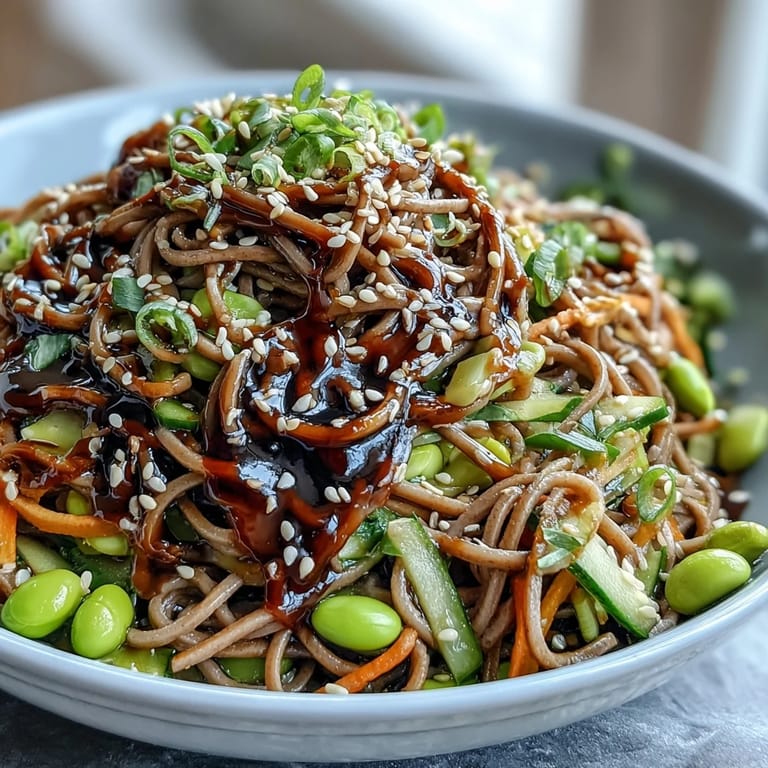
- Toss the cooled noodles with about half of the dressing right in the large bowl, making sure every strand gets coated in that sesame goodness. Divide the dressed noodles among four bowls, then top each one with edamame, cucumber, carrots, and scallions in whatever arrangement feels right to you.
- Finish with a final drizzle and garnish:
- Spoon the remaining dressing over each bowl and scatter toasted sesame seeds across the top—they'll catch the light and make everything look more beautiful than it probably deserves. Toss on fresh cilantro or mint if you're using it, then serve right away while everything is at its best.
 Save
Save There's something about assembling this bowl that feels like creating art, except you get to eat it afterward. It turned into my go-to move when friends came over unexpectedly, because somehow it looked impressive while requiring almost no advance planning.
The Sesame Dressing Secret
The dressing is really where this whole bowl comes alive, and it's worth taking a minute to understand why each ingredient matters. That tahini adds creaminess and depth without any dairy, the ginger gives you a subtle heat that creeps up on you, and the balance of soy, vinegar, and sesame oil creates something that tastes expensive and complicated but isn't. I've learned that whisking it by hand rather than blending it somehow keeps it lighter and more integrated—less like a sauce and more like the noodles just naturally taste this way.
Make It Your Own
This bowl is genuinely flexible in a way that most recipes aren't, which is part of why I come back to it. Swap the cucumber for snap peas if that's what's in your crisper drawer, throw in some shredded red cabbage for crunch, or add grilled tofu if you want something heartier. The bones of the recipe stay the same while everything else can shift based on your mood, your market haul, or what you're tired of eating.
Perfect Pairings and Storage
Serve this with cold green tea or a chilled glass of something light and slightly sweet—the Riesling suggestion isn't just pretty words, it actually works. If you're eating alone and want leftovers, keep the components separate in the fridge and assemble the next day, which somehow tastes even fresher than the first round.
- Store leftover dressing in a jar and shake it before using, since the tahini will settle at the bottom.
- The noodles and vegetables keep for up to three days in separate containers, giving you flexibility for quick lunch assembly all week.
- If you're bringing this somewhere, pack everything separately and dress it just before eating to keep everything at peak texture.
 Save
Save This bowl became the thing I make when I want to feel like I'm taking care of myself without actually trying that hard. It's honest food, the kind that tastes good and makes you feel good, which is really all any of us want on an ordinary Tuesday.
Recipe FAQs
- → What makes soba noodles unique?
Buckwheat noodles have a nutty flavor and firm, chewy texture that holds up well in both hot and cold preparations. They're traditionally served chilled during warmer months in Japan.
- → Can I make this bowl ahead?
The noodles can be cooked and dressed up to a day in advance. Prepare vegetables fresh and assemble just before serving for the best texture and presentation.
- → What proteins work well here?
Grilled tofu, shredded chicken, seared salmon, or soft-boiled eggs make excellent additions. The edamame already provides plant-based protein, but these options create a more substantial meal.
- → How do I prevent noodles from sticking?
Rinse thoroughly under cold water after cooking to remove excess starch. Toss immediately with a small amount of sesame oil or dressing to keep strands separated.
- → Can I adjust the dressing?
Add sriracha or chili flakes for heat, substitute lime juice for rice vinegar for brightness, or use almond butter instead of tahini for a different nutty profile.
- → What vegetables can I use?
Snap peas, bell peppers, radishes, shredded cabbage, or sautéed mushrooms all work beautifully. Choose colorful, crisp options that complement the nutty noodles.