 Save
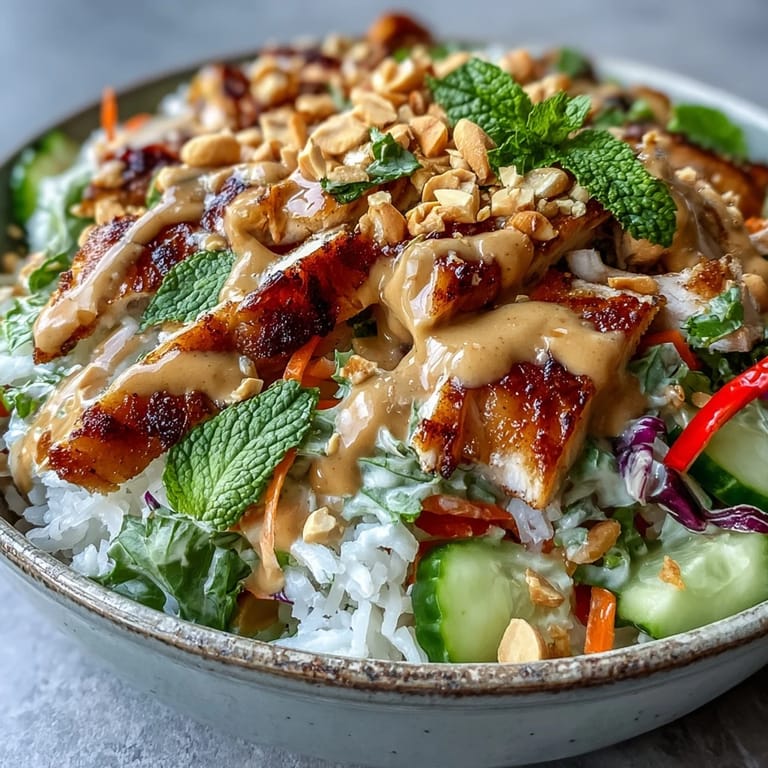
Save I stumbled onto the magic of deconstructed spring rolls on a sweltering afternoon when my roommate challenged me to make something Vietnamese without ordering takeout. Instead of rolling, I decided to shatter the rice paper into crispy shards and toss everything into a bowl, and somehow that casual shortcut became the dish I crave most. The silky texture of softened rice paper combined with the snap of fresh vegetables and that creamy peanut sauce created something even better than the traditional version, at least in my kitchen.
My friend Alex visited last summer, jet-lagged and cranky, and I made her this bowl because I knew she'd appreciate something light but filling. Watching her face light up when she tasted the peanut sauce dripping over the crispy rice paper and tender chicken reminded me that the best meals aren't complicated, they're just made with care and a little creativity.
Ingredients
- Rice paper: These delicate sheets transform into golden, shatterable pieces when lightly softened and then cut—don't oversoak them or they'll turn gummy and tear. Eight sheets give you plenty of those crispy bits without leaving the bowl too fragile.
- Jasmine rice or vermicelli noodles: The base holds everything together and soaks up that peanut sauce like a dream, but you can skip this entirely if you want a lighter version.
- Protein (grilled chicken, pressed tofu, or cooked shrimp): Pick whichever speaks to you that day—the chicken stays tender, tofu gets a subtle char if you pan-fry it first, and shrimp cooks so fast you barely have time to blink.
- Carrot, cucumber, red bell pepper, and red cabbage: Julienning these vegetables by hand takes patience, but the uniform cuts look beautiful and cook evenly if you ever need to warm them.
- Mixed salad greens, mint, and cilantro: Fresh herbs are non-negotiable here because they're basically the soul of the entire bowl, so don't even think about using dried versions.
- Creamy peanut butter: The natural kind without added sugar works beautifully, though you can absolutely use conventional if that's what you have on hand.
- Soy sauce, hoisin sauce, rice vinegar, and lime juice: This quartet creates the backbone of your sauce, and tamari swaps in seamlessly if you're avoiding gluten.
- Sriracha: Optional heat that I usually add because life's too short for boring condiments, but start with just a teaspoon if you're cautious.
- Roasted peanuts and fried shallots: The final flourish that gives you crunch and makes the whole thing feel intentional and complete.
Tired of Takeout? 🥡
Get 10 meals you can make faster than delivery arrives. Seriously.
One email. No spam. Unsubscribe anytime.
Instructions
- Soften your rice paper carefully:
- Fill a shallow dish with warm water and dip each sheet for just 5 to 10 seconds—you want them pliable but still structured enough to handle. I learned this the hard way by leaving sheets soaking too long and ending up with rice paper soup instead of crispy shards.
- Cut the rice paper into rough pieces:
- Once softened and laid on a clean towel, stack a few sheets and slice them into irregular strips or squares with a sharp knife. These rough cuts actually catch more sauce and create better texture in the bowl.
- Cook your chosen protein:
- Whether you're grilling chicken, pan-frying tofu until the edges turn golden, or quickly warming shrimp in a hot skillet, cook it until it's just done and season generously. Underdone protein is a drag, but overcooked protein tastes like disappointment.
- Julienne and slice your vegetables:
- Cut the carrot, cucumber, and bell pepper into thin matchsticks and shred the cabbage fine enough that it wilts slightly when it hits the warm bowl. The knife work matters because uniform cuts look professional and eat better.
- Make the peanut sauce in a bowl:
- Whisk together peanut butter, soy sauce, hoisin, rice vinegar, lime juice, and sriracha, then slowly add warm water until the sauce reaches a drizzly consistency. It should coat the back of a spoon but still flow easily when poured.
- Build your bowls layer by layer:
- Start with rice or noodles if you're using them, then arrange the rice paper pieces, all your vegetables, the protein, and a generous handful of fresh herbs. The order doesn't matter as much as making sure each bite has a little of everything.
- Finish with sauce, nuts, and lime:
- Drizzle the peanut sauce generously over the whole thing, sprinkle chopped peanuts and fried shallots on top, and serve with lime wedges. Those final additions add brightness and crunch that make the whole bowl sing.
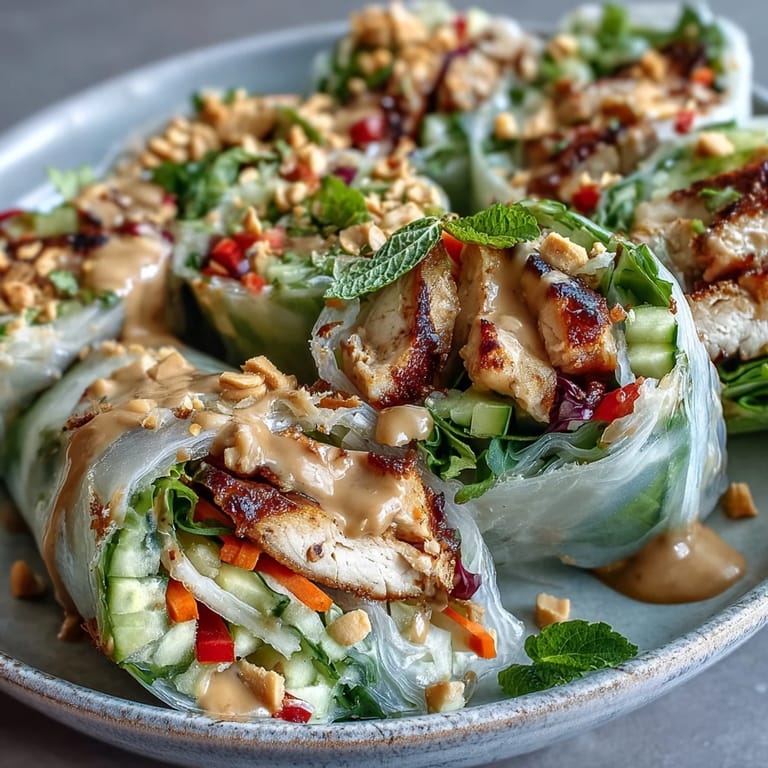 Save
Save I served this bowl at a small dinner party during a time when everyone seemed stressed about health and eating well, and something about the lightness combined with real satisfaction made the whole table go quiet for a moment. That's when I knew this wasn't just lunch—it was the kind of food that makes people feel good about themselves.
Choosing Your Protein
The beauty of this bowl is that you can adapt it based on what's in your fridge or what sounds right that day. Chicken is reliable and absorbs the sauce beautifully, tofu brings an earthy creaminess that vegetarians and meat-eaters alike appreciate, and shrimp cooks so quickly it feels almost like cheating. I've made this bowl with all three over the past few months, and honestly, each version tastes like a completely different meal even though the foundation stays the same.
The Magic of Fresh Herbs
Mint and cilantro aren't just garnish here—they're essential ingredients that brighten everything the second they hit your spoon. A friend once asked if she could skip them to save money, and I gently explained that removing the herbs would be like removing the joy. The freshness they bring is what separates this from a sad desk lunch and transforms it into something you actually look forward to eating.
Storage, Substitutions, and Final Touches
These bowls are best served immediately because the rice paper will continue to soften as it sits, though the flavors taste even better the next day. You can prep all your components ahead of time and assemble everything fresh when you're ready to eat, which is honestly the smartest approach if you're feeding a crowd or planning lunch for the week. Almond butter or sunflower seed butter work beautifully if peanuts are off the menu, pickled vegetables add a tangy punch if you want more complexity, and a creamy avocado slice makes the whole thing feel more indulgent.
- Make the peanut sauce at least 15 minutes before serving so the flavors have time to get to know each other.
- Toast your peanuts yourself instead of buying pre-roasted if you have the time, because the difference in freshness is real.
- Keep lime wedges on the side and let people squeeze them in as they eat so everyone gets exactly as much brightness as they want.
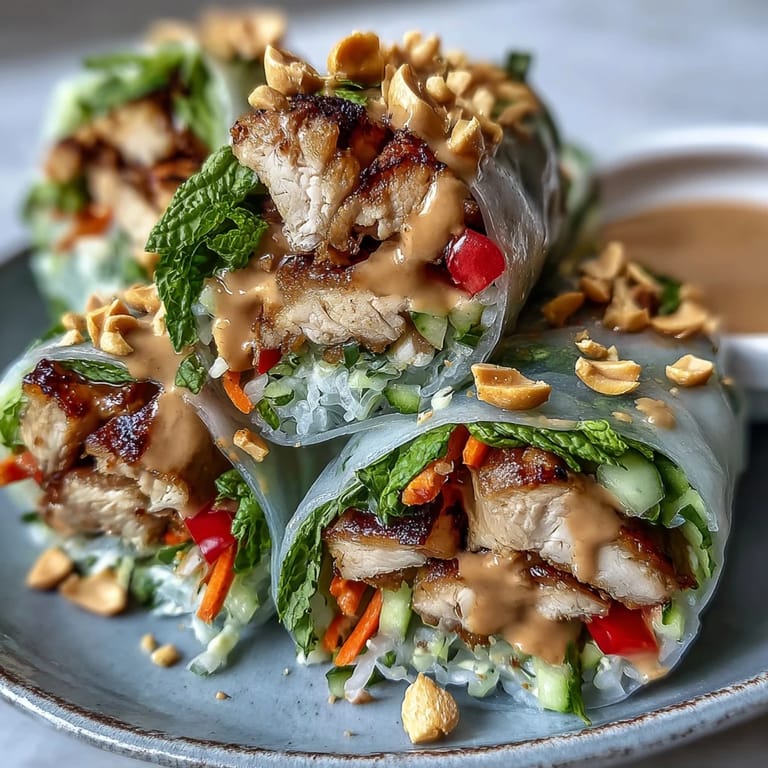 Save
Save This bowl reminds me that Vietnamese food doesn't need to be complicated to be absolutely delicious, and sometimes the best meals come from happy accidents and a willingness to break tradition. Make it whenever you need something fresh and satisfying that tastes like you spent way more time than you actually did.
Recipe FAQs
- → How do I prepare rice paper for bowls?
Fill a large shallow dish with warm water. Submerge each rice paper sheet for 5–10 seconds until just softened, then place on a clean towel. Stack 2–3 sheets at a time and cut into rough strips or squares before assembling your bowls.
- → Can I make this ahead of time?
Prepare vegetables, protein, and peanut sauce up to 24 hours in advance. Store components separately in airtight containers. Soften and cut rice paper just before serving to prevent it from becoming too soft or sticky.
- → What proteins work best in this bowl?
Grilled chicken breast, firm tofu, or cooked shrimp all pair beautifully with the fresh vegetables and peanut sauce. The key is slicing or cubing your protein into bite-sized pieces that mix easily with the crisp vegetables and herbs.
- → How can I adjust the peanut sauce consistency?
Whisk together all sauce ingredients first, then gradually add warm water 1 tablespoon at a time until reaching your desired thickness. Start with 2 tablespoons for a thick, creamy dip, or use up to 4 tablespoons for a drizzling consistency perfect for coating all ingredients.
- → Is this bowl gluten-free?
Yes, use tamari instead of regular soy sauce and verify your hoisin is gluten-free. Rice paper is naturally gluten-free, making this an excellent option for those avoiding gluten while still enjoying bold Vietnamese-inspired flavors.
- → What vegetables can I substitute?
Swap julienned carrots for shredded daikon radish, add sliced avocado for creaminess, or include pickled vegetables for extra tang. Mixed salad greens can be replaced with butter lettuce or fresh spinach based on what's available in your kitchen.