 Save
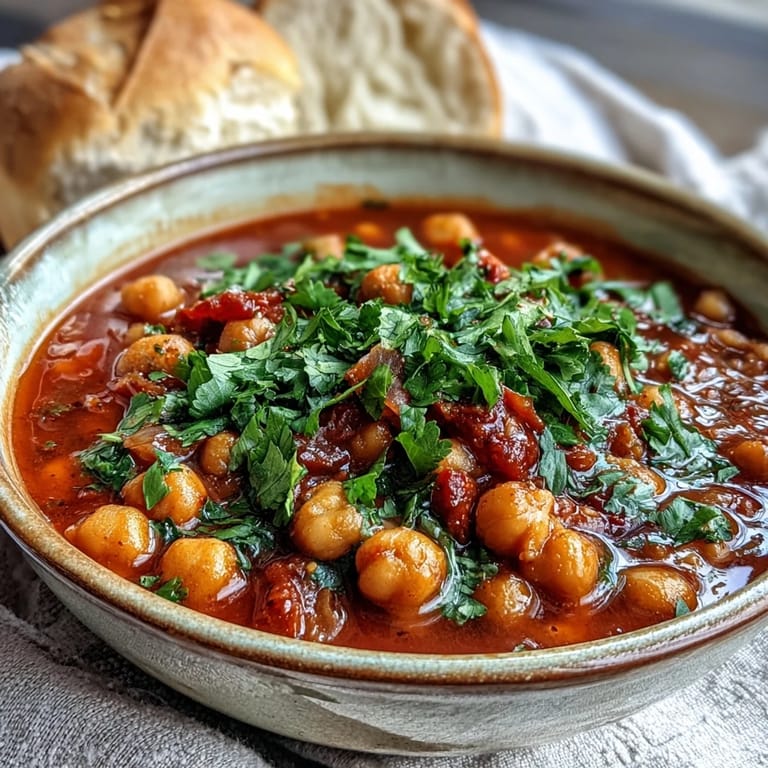
Save There's something about the smell of cumin hitting hot oil that makes me pause whatever I'm doing and just breathe it in. I stumbled onto this chickpea stew on a gray afternoon when my fridge felt sparse but my spice rack felt full, and somehow those humble cans of chickpeas transformed into something that tasted like it had been simmering for hours. The kitchen warmed up, my shoulders relaxed, and by the time I ladled it into bowls, I understood why this stew shows up in so many kitchens across the Mediterranean and Middle East.
I made this for my partner on a night when they were under the weather, thinking warm broth and soft vegetables might help. What surprised me was how they asked for seconds, then mentioned it tasted like comfort in a bowl—the kind of meal that stays with you after dinner's over. That's when I realized this stew wasn't just convenient; it had become a quiet favorite that somehow makes ordinary evenings feel a little more intentional.
Ingredients
- Chickpeas (2 cans, 15 oz each): Rinse them well to remove excess starch, which keeps the broth clear and lets the spices shine without muddiness.
- Onion (1 large): This is your foundation—the sweetness develops as it softens and becomes the backbone that holds all the spices together.
- Garlic (2 cloves): Mince it fine so it dissolves into the oil and perfumes the whole pot within seconds.
- Carrots (2, diced): They add natural sweetness and texture that resists turning to mush even after 30 minutes of simmering.
- Red bell pepper (1, diced): This brings brightness and a slight fruity note that keeps the stew from feeling one-dimensional.
- Diced tomatoes (1 can, 14 oz): Use canned for consistency—fresh tomatoes vary too much, and the canning process actually concentrates the flavor.
- Vegetable broth (2 cups): Choose a quality one you'd actually drink; it becomes the soul of the stew.
- Tomato paste (2 tablespoons): This is concentrated umami—it deepens everything without making the stew taste like tomatoes.
- Olive oil (2 tablespoons): Good olive oil carries the spices and makes them sing; don't skip this step with a lesser oil.
- Ground cumin (1 teaspoon): Warm and earthy, it's the anchor spice that makes you feel like you're eating something traditional.
- Smoked paprika (1 teaspoon): This adds depth and a whisper of smokiness without actual smoke.
- Ground coriander (1/2 teaspoon): It's subtle but adds a floral, slightly citrusy undertone that lifts the whole dish.
- Ground turmeric (1/2 teaspoon): Use fresh turmeric if you have it, but ground works beautifully and adds earthiness and color.
- Chili flakes (1/2 teaspoon): Start here and taste as you go—heat preferences are personal, and you can always add more.
- Ground cinnamon (1/2 teaspoon): Yes, cinnamon—it's the secret that makes people ask what that warmth is.
- Bay leaf (1): Don't forget to fish this out before serving; it's there to whisper, not to be eaten.
- Salt and black pepper: Taste and adjust at the end; the broth concentrates as it simmers, so early seasoning can become aggressive.
- Lemon juice (1/2 lemon): This brightens everything and keeps the stew from tasting heavy or one-note.
- Fresh cilantro or parsley (2 tablespoons): Add this at the very end so it stays vibrant and doesn't turn dark and bitter from the heat.
Tired of Takeout? 🥡
Get 10 meals you can make faster than delivery arrives. Seriously.
One email. No spam. Unsubscribe anytime.
Instructions
- Start with the oil and onion:
- Heat the olive oil in a large pot over medium heat and add your chopped onion. You're looking for it to turn translucent and soft, which takes about 4 to 5 minutes—listen for the gentle sizzle and watch for the edges to turn golden.
- Build the base:
- Stir in the minced garlic, diced carrots, and diced bell pepper, cooking for another 3 to 4 minutes until they start to soften slightly. The kitchen will start smelling alive and layered.
- Toast the spices:
- Add all your spices—cumin, paprika, coriander, turmeric, chili flakes, and cinnamon—stirring constantly for about 1 minute. This brief cooking unlocks their essential oils and prevents them from tasting raw or dusty in the finished stew.
- Deepen the flavor:
- Stir in the tomato paste, coating all the vegetables, then add the canned diced tomatoes, rinsed chickpeas, vegetable broth, and bay leaf. Bring everything to a boil, then immediately reduce the heat.
- Let it simmer gently:
- Cover the pot and simmer for 25 minutes, stirring occasionally to prevent sticking and to ensure even cooking. The vegetables will become tender, and the flavors will start melding into something cohesive.
- Finish cooking uncovered:
- Remove the lid and simmer for another 5 minutes without the cover, which lets excess liquid evaporate and thickens the stew slightly. This is also when you can taste and adjust the salt and pepper to your preference.
- Brighten and serve:
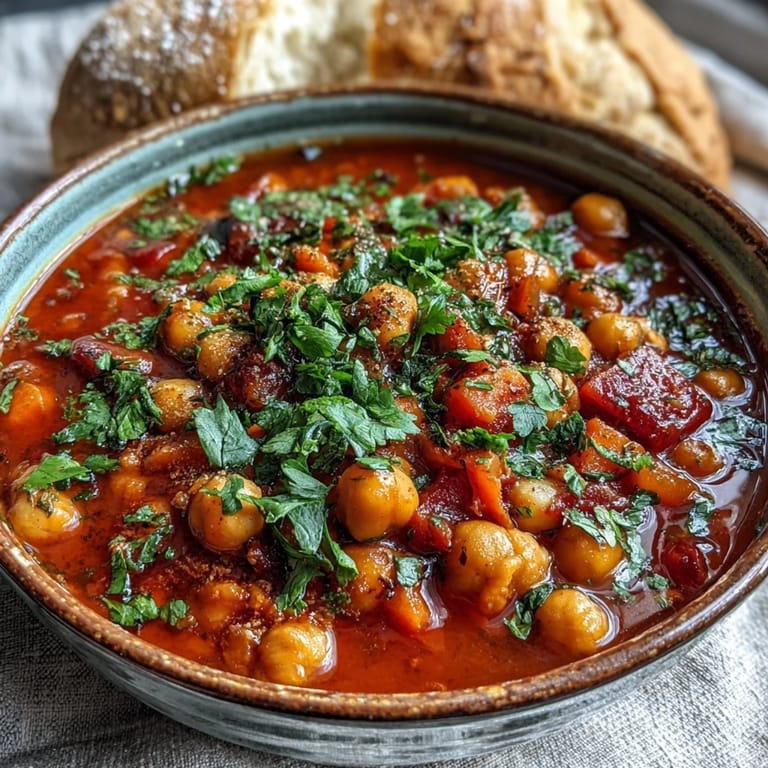
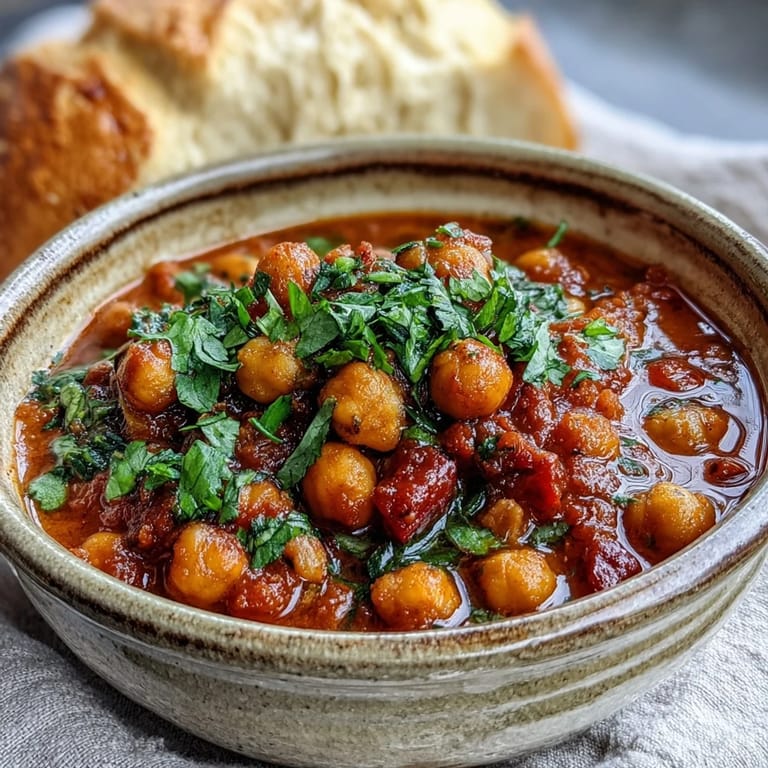
- Remove the bay leaf, stir in the lemon juice and fresh herbs, taste once more, and adjust if needed. Serve hot, perhaps with crusty bread or over rice if you want it more soupy than stew.
 Save
Save  Save
Save There was a moment mid-winter when I realized I'd made this stew three times in two weeks, not because I was stuck in a routine but because it had become the meal I reached for when I needed something that felt both nourishing and a little adventurous. That's when food stops being just about hunger and becomes about recognizing what makes you feel like yourself.
The Spice Story Behind This Stew
Every spice in this pot has been used across the Mediterranean and Middle East for centuries, each one chosen because it brings something specific to the table. Cumin and coriander are old friends, the kind of pairing you find in kitchens from Morocco to India. The cinnamon surprised me at first—I wasn't sure warm spice belonged in a savory stew until I tasted how it rounds out the heat and adds a subtle sweetness that makes you want another spoonful. These aren't exotic ingredients meant to show off; they're the backbone of how real home cooking happens in these regions, where spices come from the market, not specialty catalogs.
Why Canned Ingredients Work Here
I used to feel apologetic about opening cans—like I was taking shortcuts—until I realized that canned chickpeas and tomatoes are actually preserved at peak ripeness and nutrition. There's no shame in them; they're practical and reliable in a way that dried chickpeas overnight-soaking can't match on a Tuesday night. The canning process concentrates flavor rather than diluting it, which is why this stew tastes deep and developed without requiring hours of time at the stove.
Make It Your Own
This stew is forgiving in ways that make it fun to adjust based on what you have or what you're craving. If heat is your language, add a diced jalapeño or increase the chili flakes; if you lean mild, reduce them. The herbs at the end can switch between cilantro and parsley depending on which one is fresher in your market or which flavor you're drawn to that day.
- Stir in a handful of fresh spinach or kale in the last minute of cooking for extra greens without changing the stew's character.
- Add a splash of coconut milk in the final minutes if you want richness without cream, or skip it entirely if you prefer the broth-forward version.
- Leftover stew keeps for four days in the fridge and actually tastes better the next day once all the spices have had time to deepen and become friends with each other.
 Save
Save 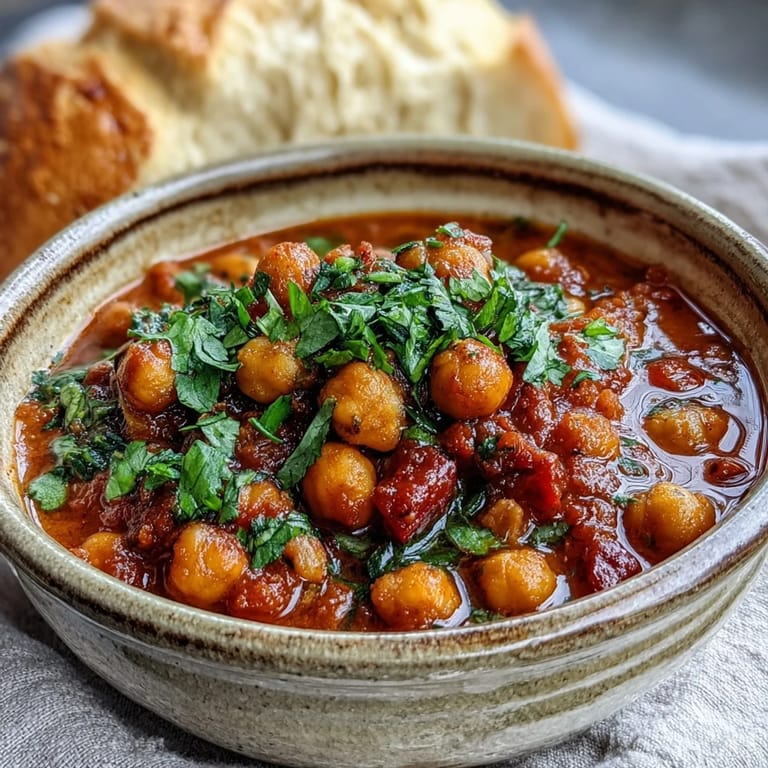 Save
Save This stew has become the meal I make when I want to feel grounded, when the weather turns cold, or when I need to feed people something that tastes like care. It's proof that simple ingredients and a little time can create something that tastes like it belongs on a table, any table, any night.
Recipe FAQs
- → Can I use dried chickpeas instead of canned?
Yes, substitute with 1½ cups dried chickpeas. Soak overnight, then cook until tender before adding to the stew. This adds about 1-2 hours to preparation time.
- → How can I make this stew thicker?
Mash a portion of the chickpeas against the pot side during simmering, or let it cook uncovered longer to reduce liquid. You can also add a tablespoon of flour mixed with water.
- → What can I serve alongside this stew?
Pair with crusty bread, fluffy rice, couscous, or quinoa. A side of fresh salad or roasted vegetables complements the rich, spiced flavors beautifully.
- → How long does this stew keep in the refrigerator?
Store in an airtight container for up to 5 days. The flavors deepen over time, making leftovers even more delicious. Reheat gently on the stovetop or microwave.
- → Can I freeze this chickpea stew?
Absolutely. Cool completely, then freeze in portions for up to 3 months. Thaw overnight in the refrigerator and reheat thoroughly before serving.
- → How do I adjust the spice level?
Control heat by adjusting chili flakes—use less for mild or add cayenne pepper for extra kick. Fresh jalapeños or serrano peppers also boost spiciness effectively.