 Save
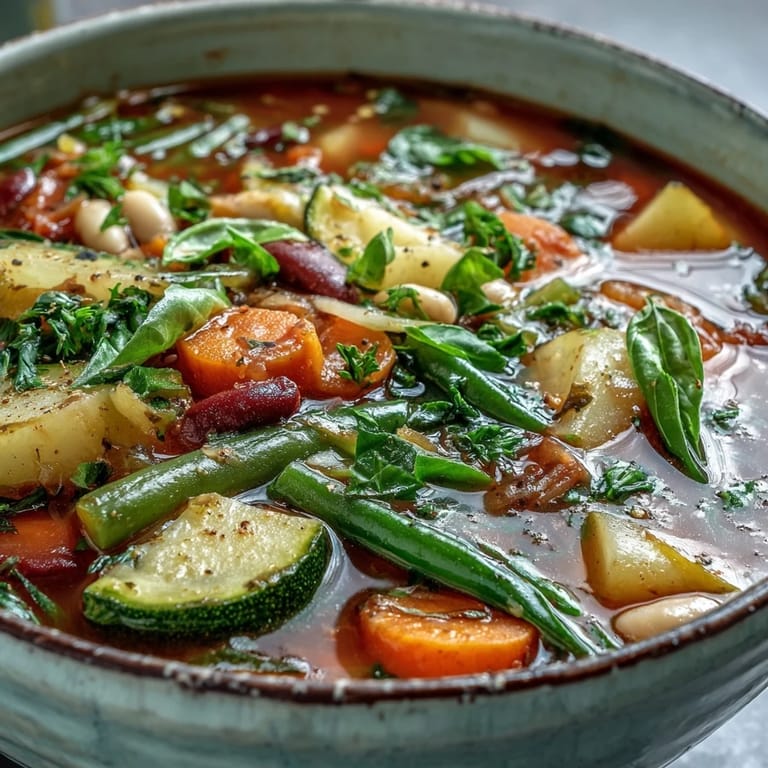
Save There's something about the smell of sautéed garlic and onions that signals comfort is on the way. My neighbor Sofia taught me minestrone years ago when I mentioned craving something warm but didn't have much energy to think about dinner. She showed up with a pot and this recipe, and suddenly my kitchen smelled like a Roman kitchen on a Sunday afternoon. The magic isn't in complexity—it's in how simple ingredients transform into something that feels like a hug.
I made this for my daughter's school potluck once, and three parents asked for the recipe afterward—which felt ridiculous because it's so straightforward. What stuck with me was watching kids actually finish their bowls, not because they had to, but because something about the combination of soft pasta and tender vegetables just works. That's when I realized this soup doesn't need to be fancy to be memorable.
Ingredients
- Olive oil: The foundation of flavor—two tablespoons is enough to cook the aromatics without making the soup feel heavy or greasy.
- Onion and garlic: These two are your flavor base, and taking two or three minutes to let them soften and turn translucent makes all the difference in building depth.
- Carrots and celery: The holy trinity with onion creates an aromatic backbone that runs through the entire pot, so don't skip them even if you think you're not a celery person.
- Zucchini, potato, and green beans: Each brings its own texture and slight sweetness—the potato adds body while zucchini and green beans keep things bright and fresh.
- Diced tomatoes: The can of tomatoes with juice gives the soup its gentle acidity and a subtle tomato backdrop without overpowering the vegetables.
- Vegetable broth and water: This combination keeps the soup from tasting too concentrated; I use six cups total to hit that perfect balance between hearty and slurpable.
- Cannellini beans: Mild, creamy white beans that add protein and a velvety texture without competing with the vegetables.
- Small pasta: Ditalini or elbow macaroni work best—small enough to fit on a spoon with vegetables, and they don't get mushy if you time it right.
- Dried oregano and basil: These go in early with the broth so they have time to release their oils and infuse the whole pot.
- Bay leaf: A single leaf adds a subtle earthiness that you won't notice by name but absolutely would miss if it weren't there.
- Fresh parsley and basil: These wake everything up at the end, brightening flavors that have been simmering and developing.
- Parmesan cheese: A small shower over the top adds a salty, umami note that brings everything into focus—optional but highly recommended.
Tired of Takeout? 🥡
Get 10 meals you can make faster than delivery arrives. Seriously.
One email. No spam. Unsubscribe anytime.
Instructions
- Build your flavor base:
- Heat the olive oil in a large pot over medium heat and add your chopped onion and minced garlic. Let them sit for two or three minutes, stirring occasionally, until they turn golden and fragrant—you'll know it's right when the smell makes you pause and breathe it in.
- Layer in the vegetables:
- Add your diced carrots, celery, zucchini, potato, and green beans to the pot. Stir everything together and let it cook for five or six minutes, watching as the vegetables begin to soften slightly and release their own aromas into the oil.
- Add the liquid and seasonings:
- Pour in your canned tomatoes with their juices, the vegetable broth, and the water. Add the dried oregano, dried basil, bay leaf, salt, and pepper. Stir well and turn up the heat until the soup comes to a boil—you'll see wisps of steam rising and the surface beginning to bubble.
- Let it simmer gently:
- Reduce the heat to a gentle simmer, cover the pot, and let it cook undisturbed for fifteen minutes. The covered pot traps steam and allows the vegetables to soften while the flavors meld together.
- Finish with beans and pasta:
- Uncover the pot and stir in your drained cannellini beans and the small pasta. Continue simmering, uncovered this time, for ten to twelve minutes until the pasta is tender and the vegetables are soft enough to cut with the side of your spoon.
- Final touches:
- Fish out and discard the bay leaf, then stir in the fresh parsley and chopped basil if you're using it. Taste the soup and add more salt and pepper if needed—this is your moment to make it taste like home to you.
- Serve with joy:
- Ladle the soup into bowls and finish each one with a small handful of grated Parmesan cheese if you'd like. Serve while it's hot, perhaps with some crusty bread for soaking up every last bit.
 Save
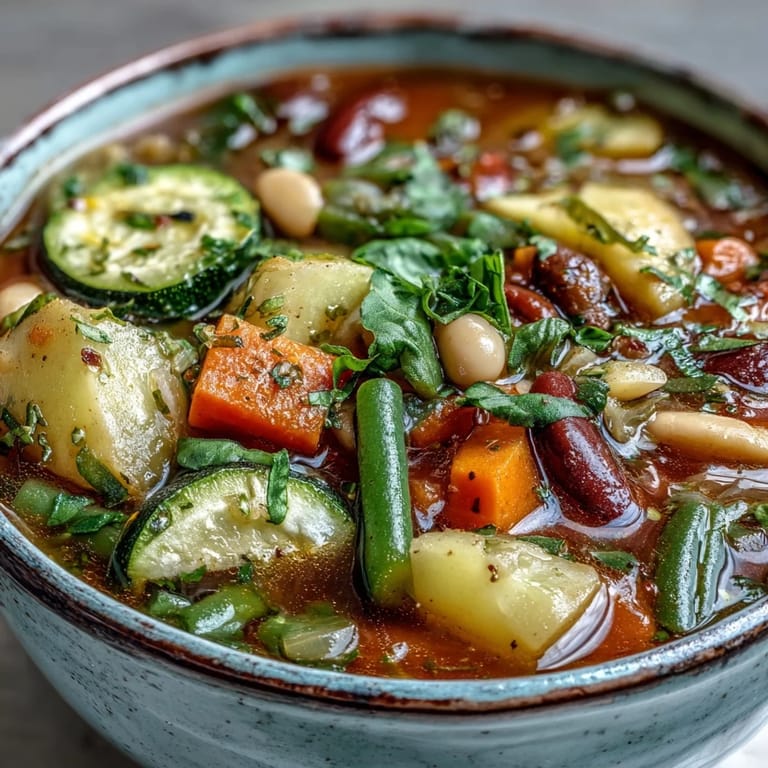
Save My partner once said this soup tastes like it took hours, which is funny because it doesn't—but it tastes like someone cared enough to sit with a pot and let things happen slowly. There's something about minestrone that transforms a regular Tuesday evening into something that feels intentional and warm.
The Magic of Seasonal Swaps
One of the beautiful things about minestrone is how it changes with what's available. In summer, I swap in diced eggplant and fresh corn; come autumn, I add cubed butternut squash and kale; winter brings spinach, cabbage, or even diced fennel if I'm feeling adventurous. The soup doesn't ask permission—it just welcomes whatever you bring to it, which makes it feel like cooking with the seasons rather than fighting against them.
Making It Your Own
This recipe is a foundation, not a rulebook. I've made it vegan more than a dozen times by using vegetable broth and skipping the Parmesan, and it's every bit as satisfying. Some friends add a handful of spinach at the end, others stir in a splash of balsamic vinegar for depth, and one friend swears by adding a small can of white beans instead of just one type. The soup responds to what you're in the mood for and what your kitchen offers.
Serving and Storing
Minestrone is the kind of soup that knows how to wait. It keeps beautifully in the refrigerator for four or five days, and the flavors actually intensify as it sits, so don't hesitate to make a big batch. Reheat gently on the stovetop, adding a splash of water if it's thickened more than you'd like, and it tastes just as good as the day you made it—maybe even better.
- Freeze individual portions in containers for up to three months, and you'll have a ready-made dinner on nights when cooking feels impossible.
- If you're using fresh herbs like basil or parsley, save them for stirring in right before serving so they stay bright and don't turn dark.
- A grind of fresh black pepper and a drizzle of good olive oil over the top adds a final note of elegance that costs almost nothing.
 Save
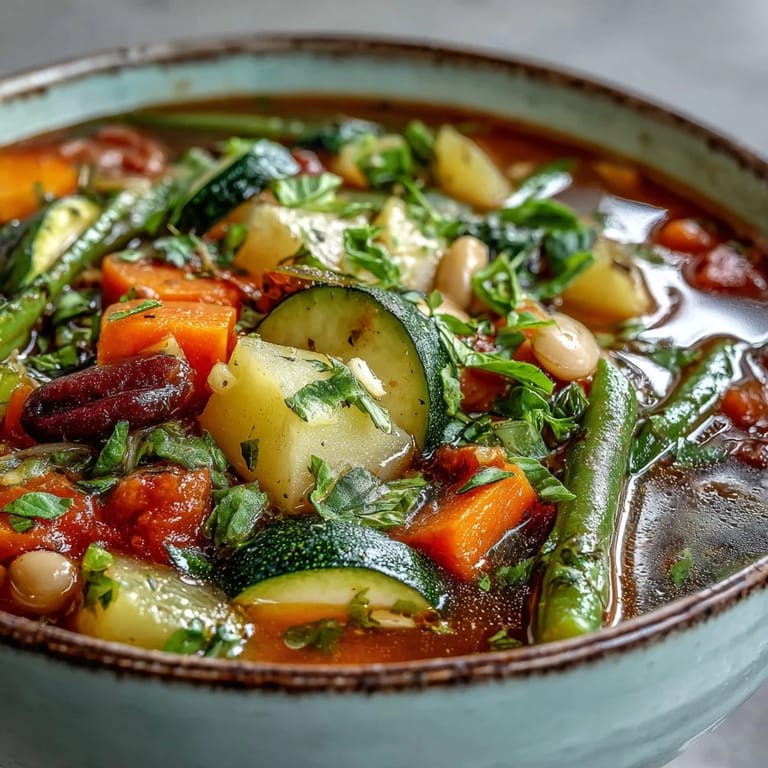
Save This soup has a way of showing up exactly when you need it, whether that's comfort on a cold night or proof that simple cooking can taste like love. Make it once, and it becomes yours.
Recipe FAQs
- → What vegetables work best in minestrone?
Classic choices include carrots, celery, onions, zucchini, green beans, and potatoes. You can also add spinach, kale, cabbage, or tomatoes depending on the season. The key is using fresh, seasonal vegetables for the best flavor.
- → Can I make minestrone vegan?
Absolutely. Simply omit the Parmesan cheese garnish or use a plant-based alternative. The soup base is naturally vegan, using olive oil instead of butter and vegetable broth as the liquid.
- → What type of pasta should I use?
Small pasta shapes work best—ditalini, elbow macaroni, shells, or small tubes. These shapes hold up well during simmering and are easy to scoop up with a spoon. For gluten-free versions, use your favorite gluten-free pasta.
- → How long does minestrone keep in the refrigerator?
Store cooled soup in an airtight container for up to 4 days. The flavors actually develop and improve over time. Note that the pasta will absorb more liquid, so you may need to add a splash of broth when reheating.
- → Can I freeze minestrone soup?
Yes, freeze for up to 3 months. For best results, slightly undercook the pasta before freezing, as it will continue to soften when reheated. Thaw overnight in the refrigerator and warm gently on the stove.
- → What can I serve with minestrone?
Crusty Italian bread is perfect for dipping. A simple green salad with balsamic vinaigrette balances the hearty soup. For a complete meal, pair with a glass of Chianti or your favorite red wine.