 Save
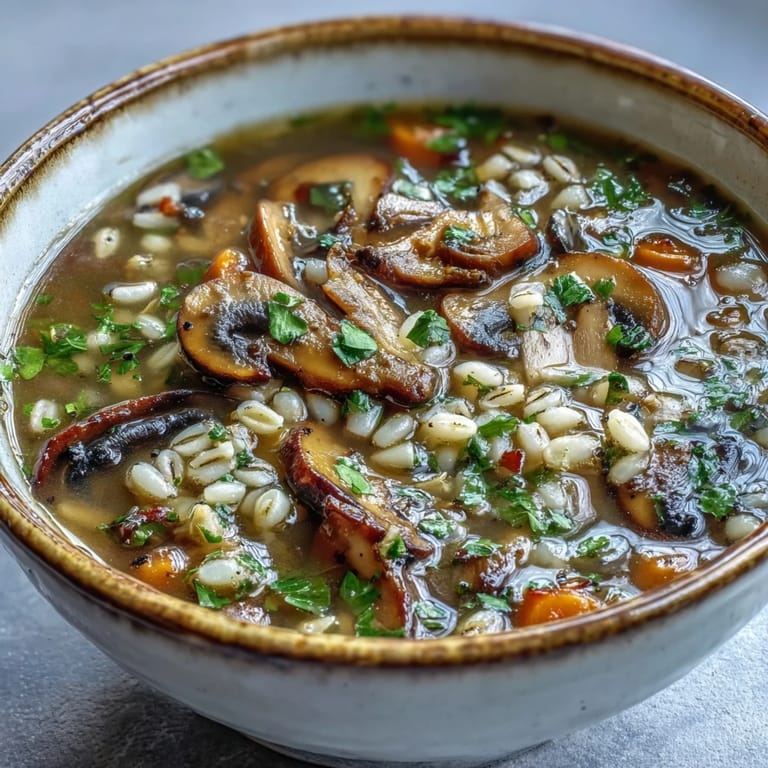
Save There's something about mushroom and barley soup that stops time in the kitchen. My grandmother used to make it on gray afternoons when the house felt too quiet, and somehow the smell of sautéed mushrooms would bring the whole family drifting toward the stove. Years later, I realized she wasn't just making soup—she was creating an excuse for everyone to gather. This version is my attempt to capture that same magic, with tender barley that absorbs every bit of earthy flavor and mushrooms that release their deep, umami richness into the broth.
I made this soup on a Sunday when everything in my life felt chaotic, and somehow the methodical chopping of vegetables became meditative. By the time my partner came home, the whole apartment smelled like a European countryside cottage, and three bowls later, they were asking when I'd make it again. That's when I knew this recipe had staying power—it wasn't fancy or complicated, but it delivered comfort in a way that mattered.
Ingredients
- Olive oil: Two tablespoons is your foundation for coaxing out sweetness from the onions and drawing out moisture from the mushrooms.
- Onion, garlic, carrots, and celery: This aromatic base is non-negotiable—chop the onion fine so it melts completely, and don't rush this step.
- Mushrooms: Cremini or button mushrooms work beautifully here, though I've used whatever looked good at the market and never regretted it; slicing them evenly ensures they cook at the same pace.
- Dried thyme and oregano: These herbs are stronger than their fresh counterparts, so trust the measurements—you're building a subtle background note, not an overpowering flavor.
- Pearl barley: Rinsing it first prevents a starchy, gluey soup, which I learned the hard way during my first attempt.
- Vegetable broth: Use quality broth if you can; it makes a noticeable difference in the final bowl.
- Bay leaf: One leaf infuses the entire pot with a gentle savory depth that's impossible to replicate without it.
- Salt, pepper, and optional lemon juice: These final touches brighten everything at the end—hold back judgment until you've tasted it and adjusted.
- Fresh parsley: Optional but worthwhile, especially if you're serving guests who appreciate a pop of color.
Tired of Takeout? 🥡
Get 10 meals you can make faster than delivery arrives. Seriously.
One email. No spam. Unsubscribe anytime.
Instructions
- Start with the aromatics:
- Heat your olive oil over medium heat and add the finely chopped onion, letting it turn translucent and slightly golden—about three minutes. This isn't a rush; you're coaxing out natural sweetness that will underpin the entire soup.
- Build your flavor base:
- Stir in the garlic, carrots, and celery, cooking for five minutes while stirring occasionally until the edges of the carrots begin to soften. You'll notice the kitchen smells instantly more alive, more intentional.
- Welcome the mushrooms:
- Add your sliced mushrooms and let them cook for six to eight minutes, stirring often, until they release their moisture and the pan begins to smell deeply earthy. This is where the soup's soul emerges; don't skip these minutes.
- Marry the seasonings:
- Sprinkle in your thyme and oregano, stirring gently to coat everything and toast the herbs just slightly. A minute or two of contact with the hot oil blooms their flavor.
- Bring it all together:
- Add your rinsed pearl barley, vegetable broth, and bay leaf, stirring until everything is combined and the barley settles into the liquid. From here, it's about patience and gentle heat.
- Simmer and soften:
- Bring the pot to a boil, then lower the heat and simmer uncovered for thirty-five to forty minutes, or until the barley is tender and the soup has thickened just slightly from the barley releasing its starches. Stir occasionally and taste a grain to know when it's ready.
- Finish with intention:
- Remove the bay leaf and taste carefully, seasoning with salt and freshly ground black pepper until it sings. If you're using lemon juice, add it now for brightness that makes the earthiness pop even further.
- Serve and savor:
- Ladle into bowls and garnish with fresh parsley if you have it, then let people settle in with their spoons and their thoughts.
 Save
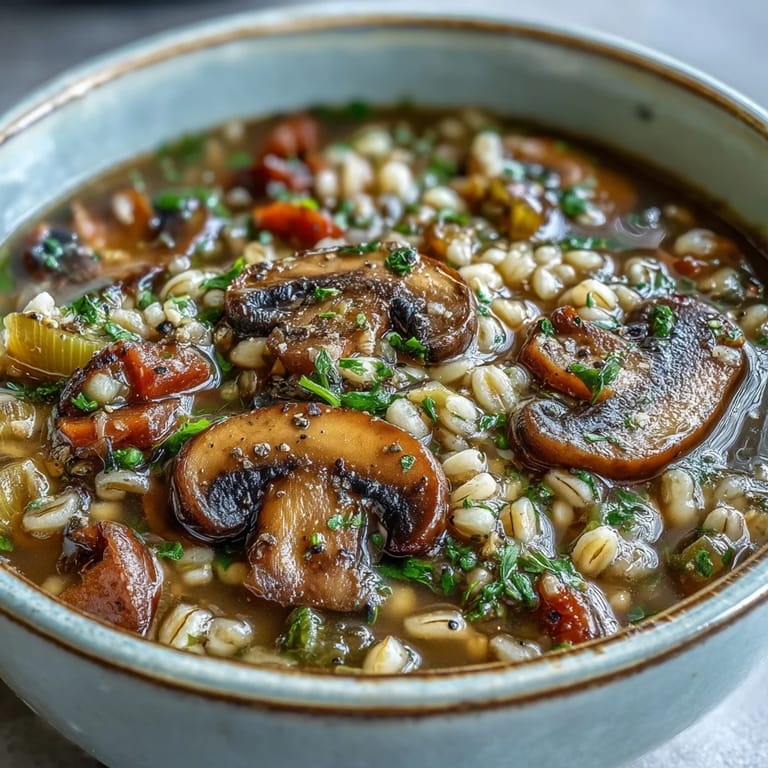
Save The real magic happened when I served this soup to a friend who was going through a rough season and had stopped cooking for herself. She ate two bowls and teared up, telling me it tasted like someone cared. That's when I understood that the best recipes aren't about technique or pristine ingredients—they're about the warmth we're willing to pour into something simple and share with the people we love.
Variations Worth Trying
Once you've made this soup a few times and it feels natural in your hands, there are gentle variations that expand its personality without losing its soul. Adding diced potatoes or chopped kale in the final fifteen minutes turns an already comforting bowl into something more substantial, perfect for when you want the soup to feel more like dinner. A tablespoon of soy sauce stirred in with the broth deepens the umami and adds a savory undertone that makes people pause mid-spoonful and wonder what you did differently.
Leftovers and Storage
This soup improves with time in a way that feels almost generous—the flavors meld and deepen overnight, making leftovers taste richer than the first serving. Store it in an airtight container in the refrigerator for up to five days, or freeze it for up to three months in portions that match the nights you know you'll need comfort without effort. When reheating, warm gently on the stove and add a splash of broth or water since the barley continues drinking liquid during storage.
Why This Soup Works
There's a reason mushroom and barley soup appears in kitchens across Europe—it asks for very little and delivers generously. The barley provides texture and substance without heaviness, the mushrooms contribute earthiness and umami, and the simple aromatics tie everything together into something that tastes intentional and nourishing. This is the kind of soup that reminds you why cooking at home matters, and why the oldest recipes often survive because they've earned it.
- Don't skip the rinsing of barley; it prevents the finished soup from becoming starchy or cloudy.
- Taste as you go, especially toward the end when seasoning, because every vegetable broth brand has its own saltiness.
- This soup is naturally vegetarian and pairs beautifully with crusty bread for soaking up the last spoonfuls.
 Save
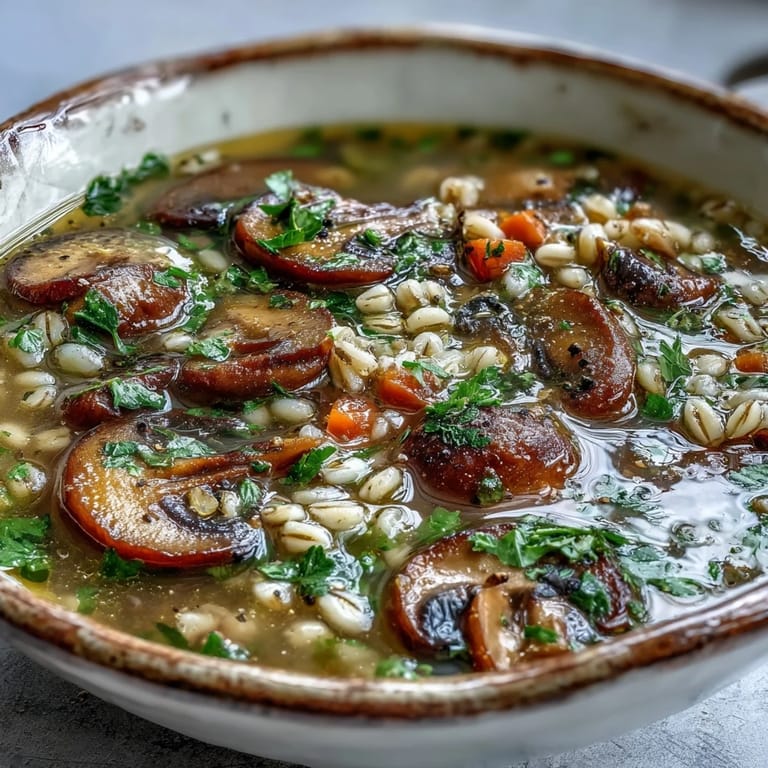
Save Make this soup when you need to remember that the simplest dishes often nourish us most. It'll warm you up on the coldest days and remind you that cooking for yourself or others is never wasted time.
Recipe FAQs
- → Can I make this soup gluten-free?
Pearl barley contains gluten, but you can substitute with rice, quinoa, or certified gluten-free barley. Always ensure your vegetable broth is labeled gluten-free as well.
- → How long does the soup keep in the refrigerator?
The soup stores well for 4-5 days in an airtight container. The barley will continue absorbing liquid, so you may need to add more broth when reheating.
- → Can I freeze mushroom barley soup?
Yes, freeze for up to 3 months. The barley texture may soften slightly after freezing, but the flavor remains excellent. Thaw overnight in the refrigerator before reheating.
- → What type of mushrooms work best?
Cremini or button mushrooms are ideal for their earthy flavor and meaty texture. You can also use shiitake for extra umami or a mix of wild mushrooms for deeper flavor.
- → Do I need to soak pearl barley before cooking?
No soaking required—just rinse the barley before adding it to the soup. It cooks directly in the broth, absorbing flavors as it becomes tender.
- → How can I add more protein to this soup?
Stir in canned white beans, lentils, or diced tofu during the last 15 minutes of cooking. For non-vegetarian versions, shredded chicken or beef broth work well.